Ignition · Buying in bulk
How to choose the right CDI unit for a CD 70, CD 100 or CG 125
In short
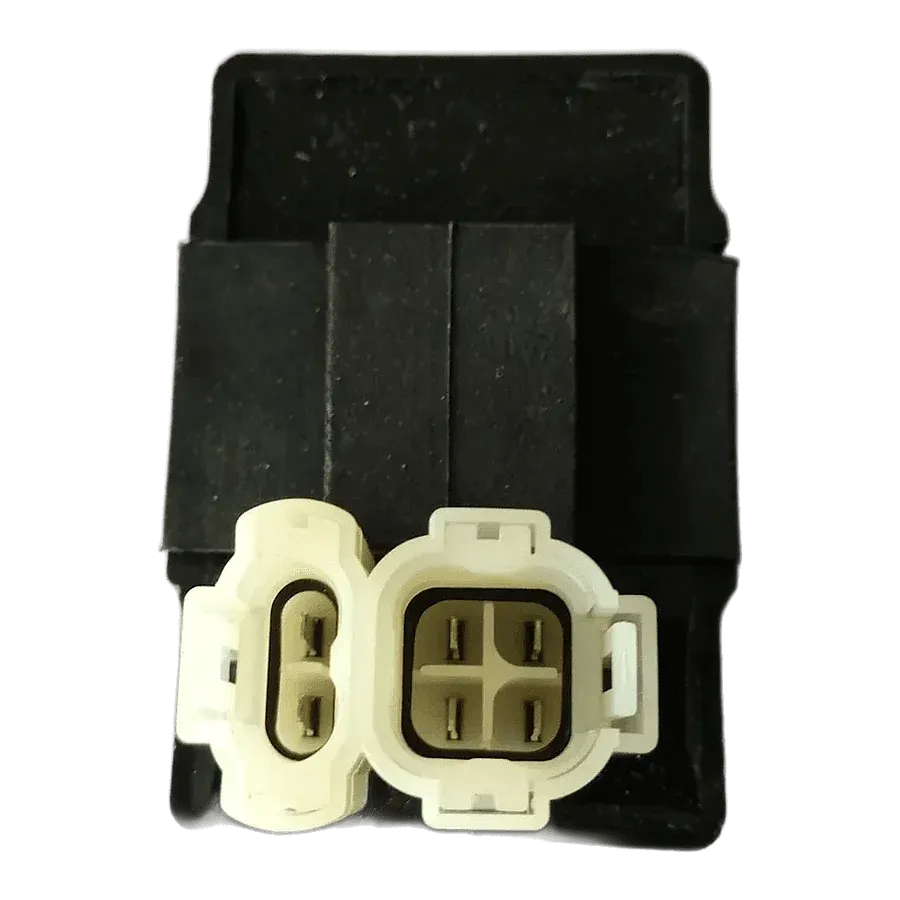
To choose a replacement CDI, count the pins on the old unit's plug, check whether the bike uses AC or DC ignition, and match the plug shape exactly so it clicks in without rewiring. Before replacing it, rule out the spark plug, plug cap, pickup coil and wiring, because they cause the same symptoms.
- Count the pins on the old plug. The pin layout matters more than the bike's name.
- Rule out the spark plug, plug cap and wiring before blaming the CDI.
- A good CDI is fully sealed. Water inside the housing is the most common cause of failure.
- Dealers should stock by pin layout, not by bike model.
What a CDI unit does
CDI stands for capacitor discharge ignition. The CDI stores a charge from the charging coil and releases it to the ignition coil at exactly the right moment, which makes the spark plug fire. A signal from the pickup coil tells it when.
If the CDI fails, the timing goes wrong or the spark stops completely. That is why a bad CDI usually shows up as a bike that will not start, or one that cuts out on the road.
Signs a CDI has failed
- The engine turns over but there is no spark at the plug.
- The bike starts when cold but cuts out once the engine gets hot.
- It misfires or jerks at higher speed, even with a new spark plug.
- Starting is hard on some days and fine on others.
Check these before replacing the CDI
The same symptoms often come from cheaper parts. Check these first:
- Spark plug. Fit a known good plug. A fouled or cracked plug is the most common cause of no spark.
- Plug cap and HT lead. Look for cracks and corrosion inside the cap.
- Connections. Unplug the CDI and look for green corrosion or bent pins. Water in the plug can cut the signal.
- Pickup coil and charging coil. A mechanic can test these with a multimeter. If either is weak, a new CDI will not fix the problem.
If all of these are good and there is still no spark, the CDI is the likely fault.
Tip: Keep one known good CDI of each layout in the workshop. Plugging it in for a minute is the fastest way to prove whether the old one is dead.
How to match the right CDI
1. Count the pins
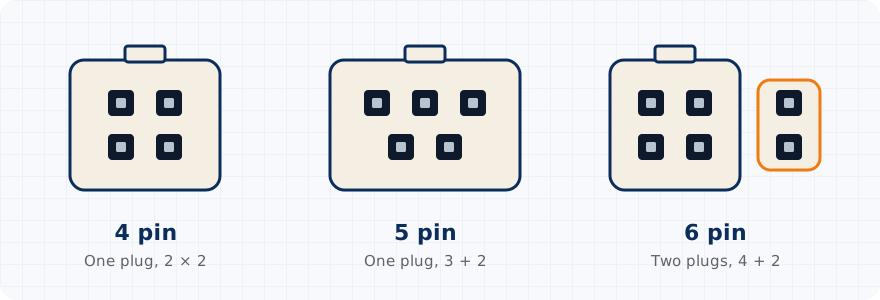
Look at the plug on the old unit. CDIs for these bikes come in a few common layouts:
| Layout | What the plug looks like |
|---|---|
| 4 pin | One plug with 4 pins |
| 5 pin | One plug with 5 pins |
| 6 pin | Two plugs, one with 4 pins and one with 2 |
| MB100 | MB100 pattern plug |
Watch out: The layout matters more than the name of the bike. Two bikes with the same name can use different layouts depending on the year and the assembler.
2. Check AC or DC
Most CD 70 and CG 125 bikes use AC CDI, powered from the charging coil. Some newer bikes use DC CDI, powered from the battery. The two are not interchangeable, so check before you fit one.
3. Match the plug shape
A CDI with the right pin count but the wrong plug shape will need rewiring. That takes time and causes faults later. Ask for an original-pattern plug.
What dealers should check before buying in bulk
- Sealing. Shake the unit and look at the joint. The electronics should be fully potted with no gaps. Water getting in is the most common reason CDIs come back.
- Plug fit. The plug should click in fully and stay in. Loose plugs cause the same symptoms as a dead CDI.
- Batch testing. Ask the supplier how each batch is tested. Every batch should be started on a real bike.
- Stock by layout. Keep 4, 5 and 6 pin units on the shelf rather than stocking by bike model. It covers more bikes with fewer lines.
Need a price or not sure which one?
Send a photo of the old CDI and its plug on WhatsApp. We will tell you which layout it is and send a price for the quantity you need.